Surroundings
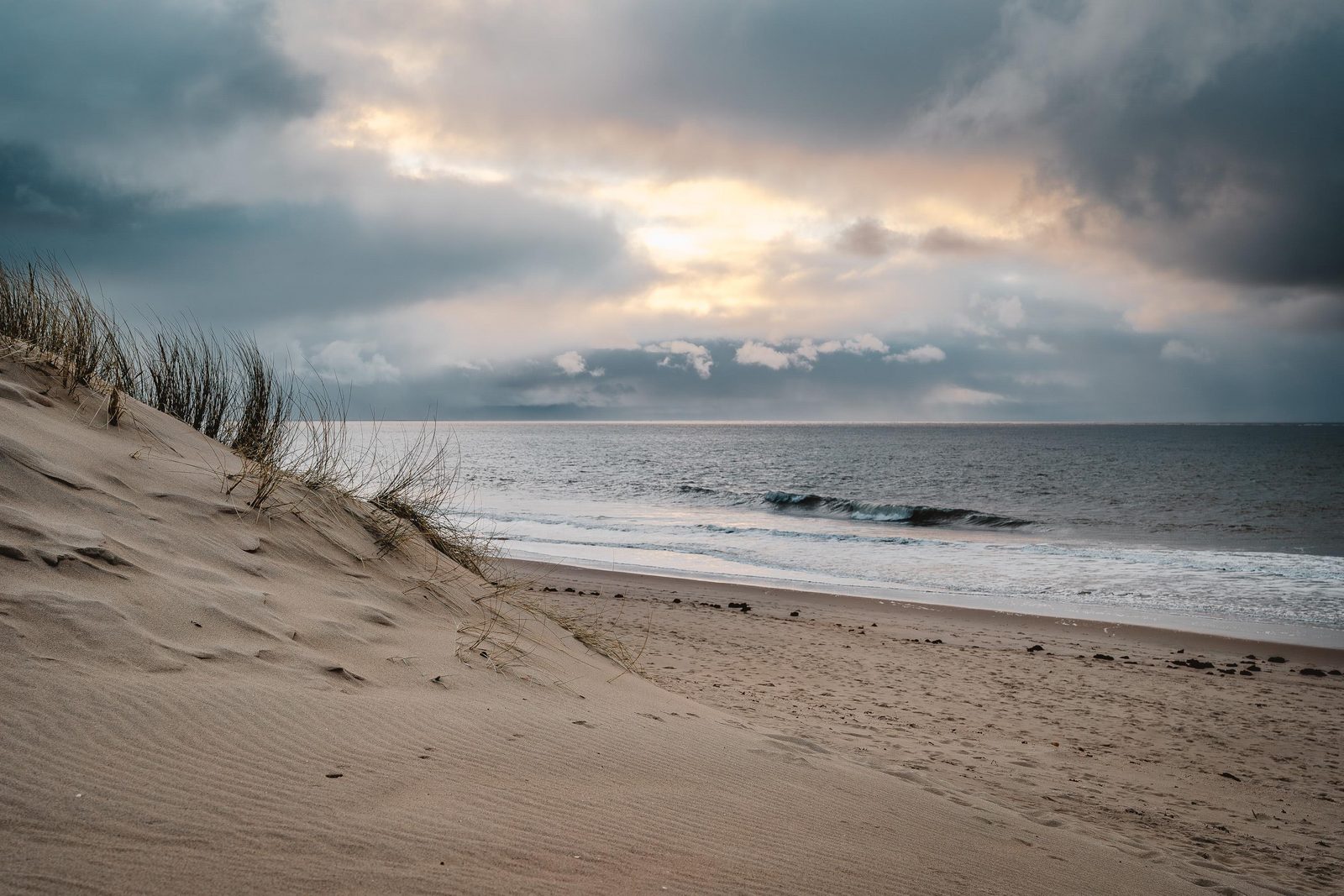
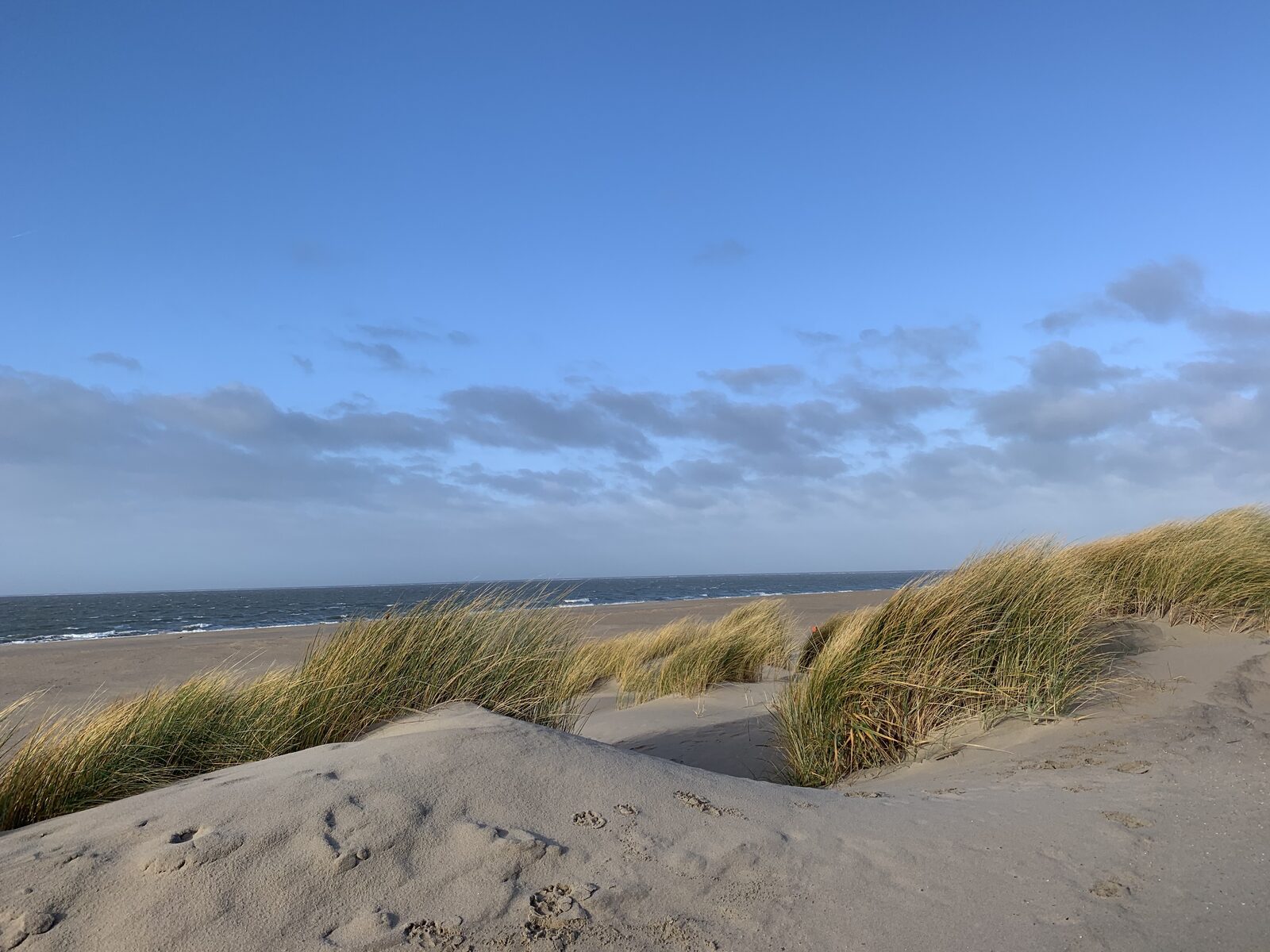
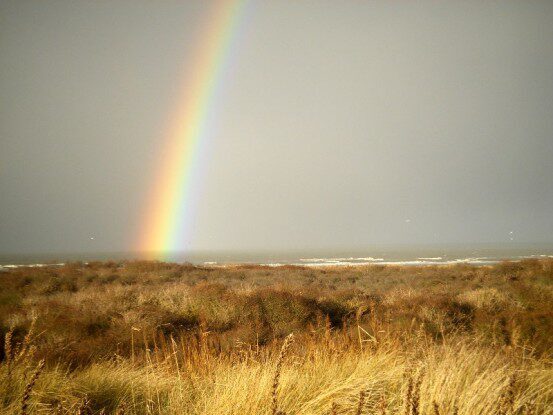
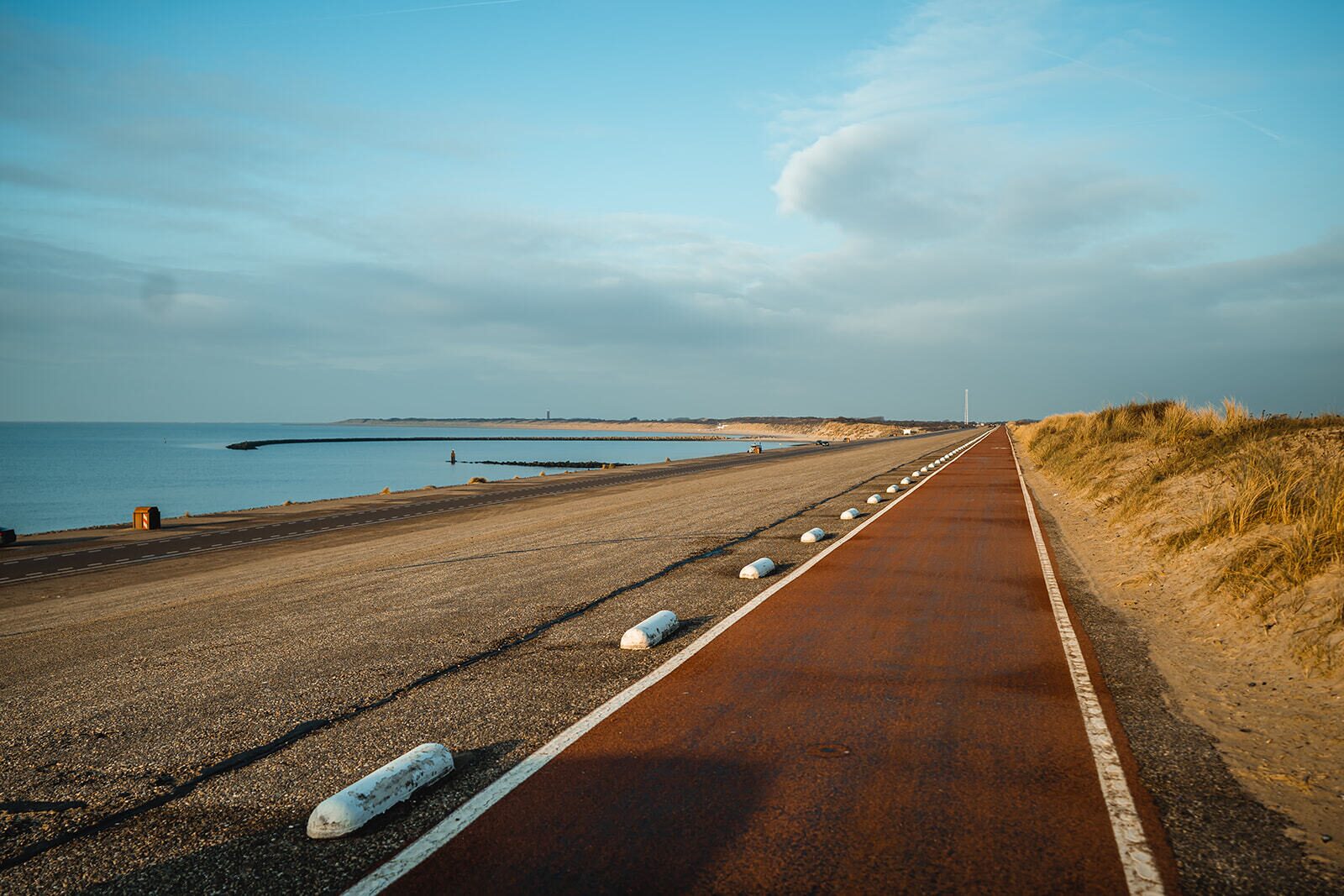
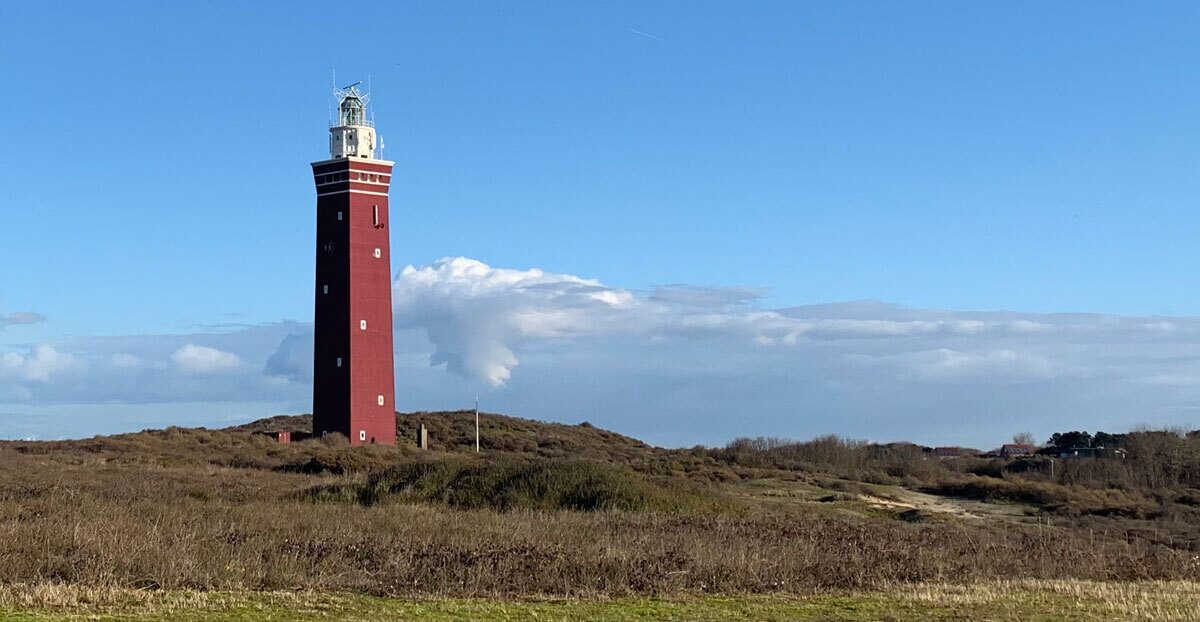
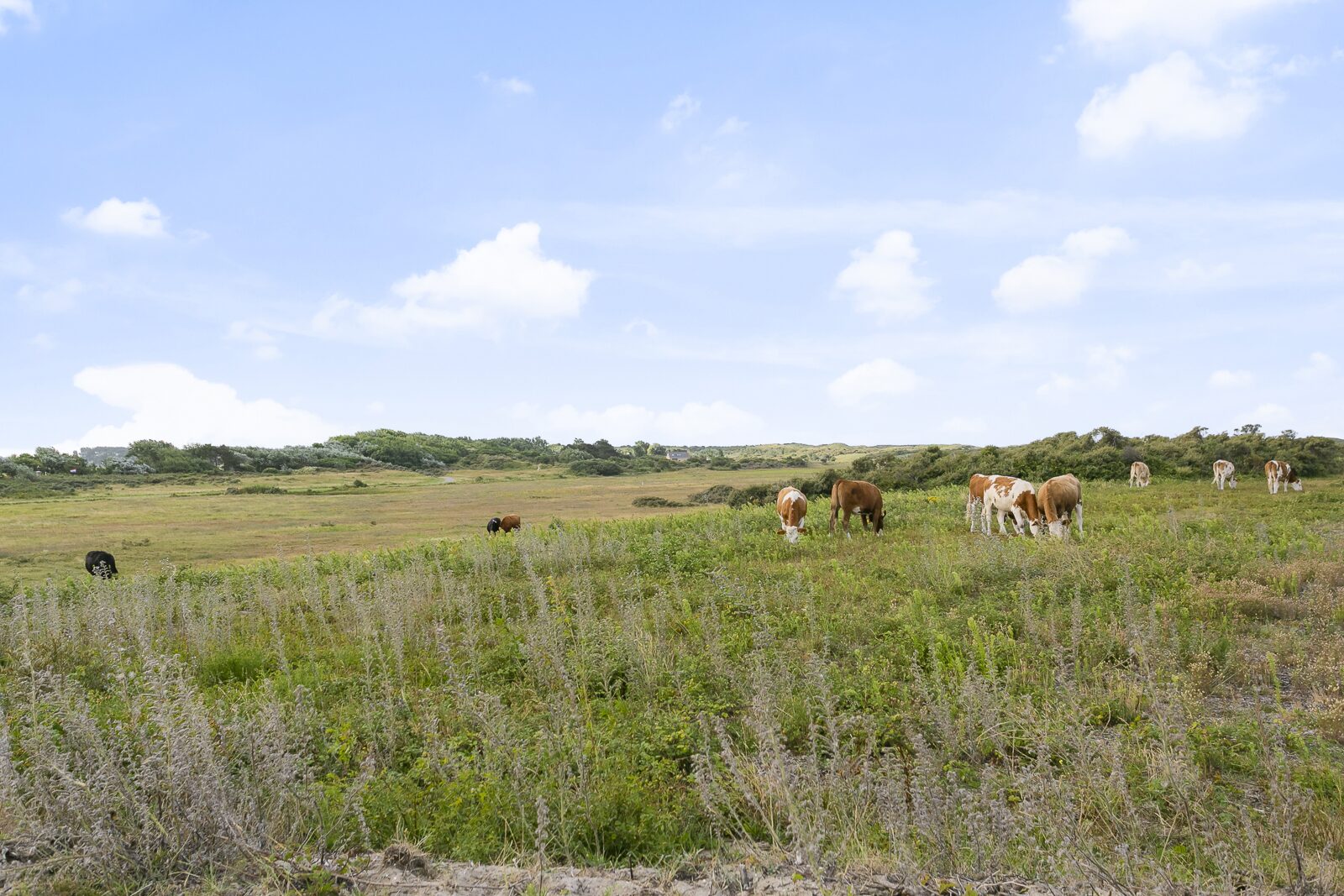
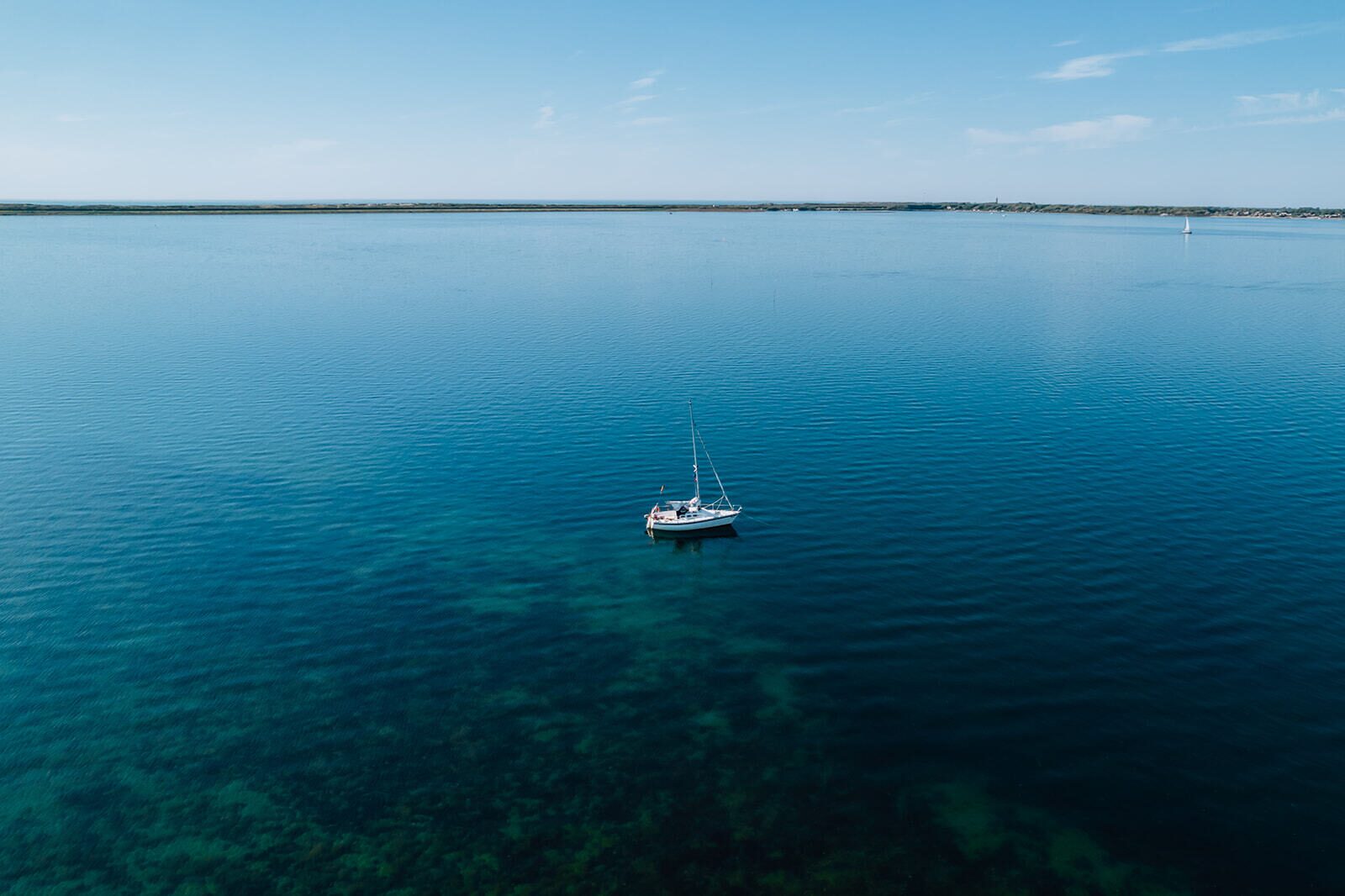
Characteristic of the immediate surroundings of Ouddorp, the Kop van Goeree, is a beautiful dune and polder landscape that naturally frames the village. Views of nature are food for the inner self, and the surroundings give you the chance to soak it up with every step you take. The Dutch are known as an international trading nation, but thanks to their centuries-long struggle against the water, they also have the ability to turn necessity into a virtue. Not only the buildings, but also nature is treated with great care. The dykes, many of which are accessible, are laid out with natural vegetation; there are narrow and wide canals, and hundreds of hectares of nature reserve with special plants where both land and water animals find their source of life.
Swipe for more ➝
A feast for the eyes
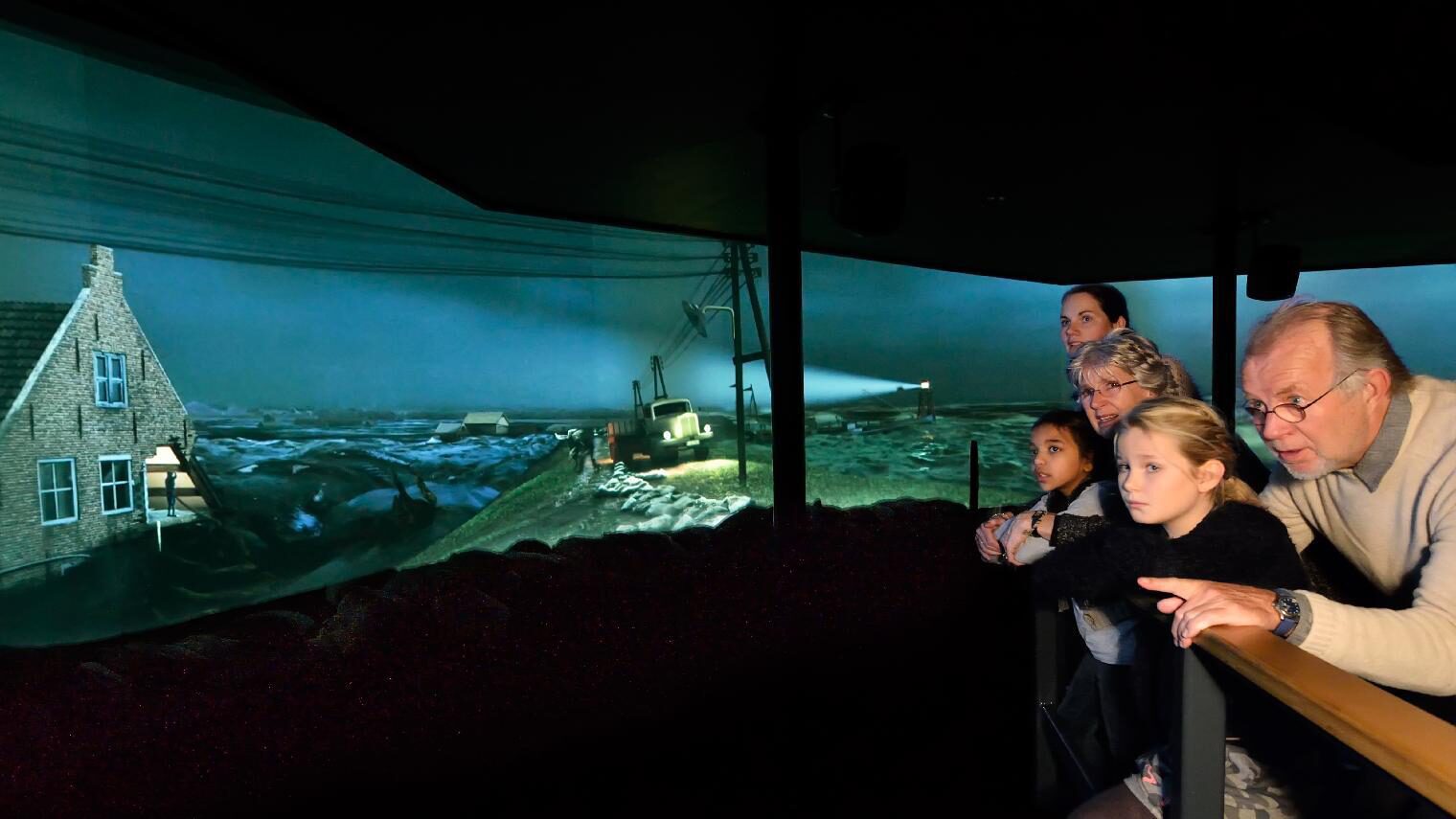
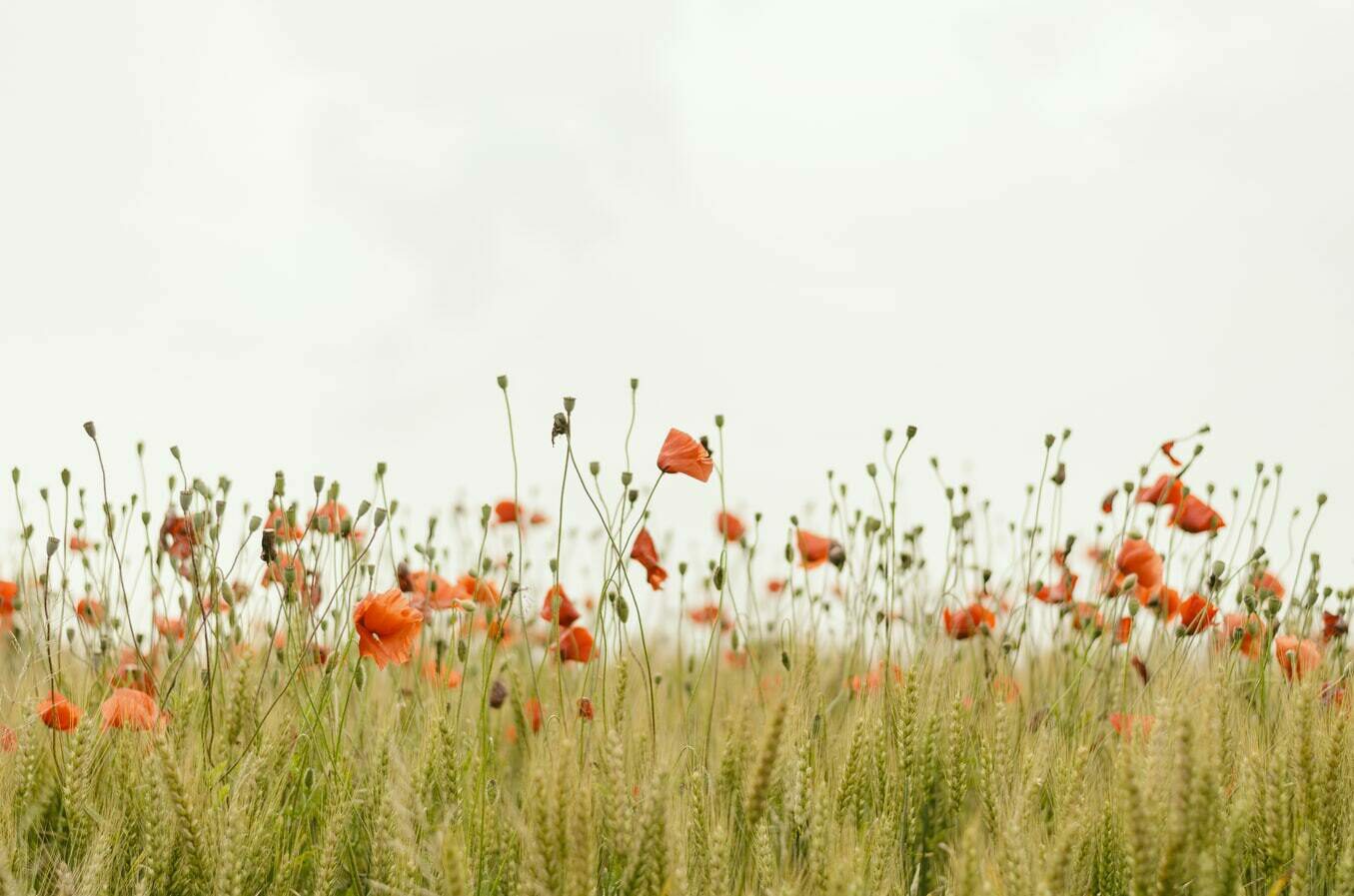
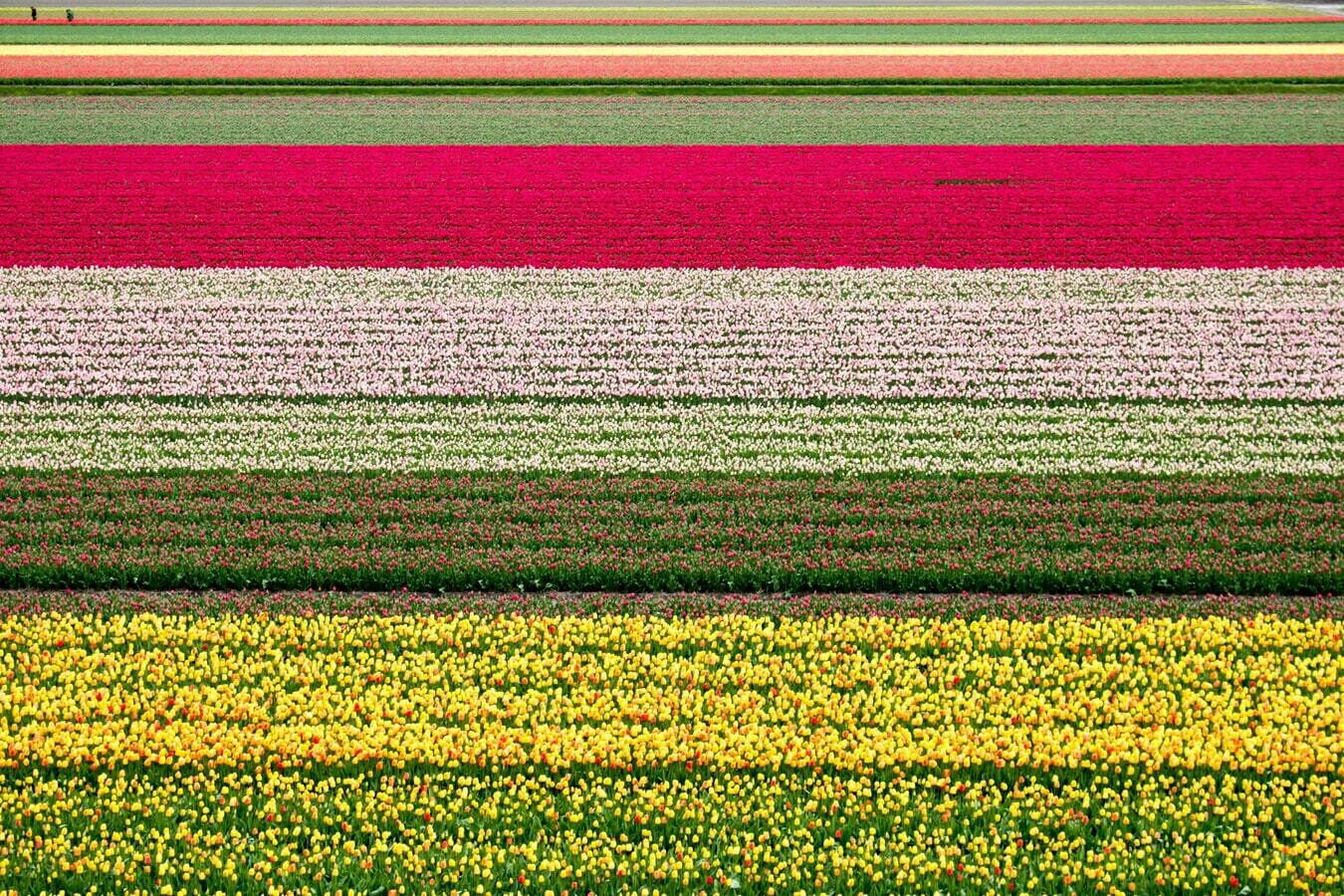
In the dune area around Ouddorp on the “Kop van Goeree” lies a 25 kilometre-long and in some parts very wide beach and the nature reserve “Kwade Hoek”, where nature lovers can truly indulge themselves. You can cycle, walk, watch animals and drift away in daydreams. In the many fields in the area, flower seeds are grown; when they are in bloom it’s a feast for the eyes, a palette of countless colours. But even in winter, the landscape that unfolds like a patchwork behind the coast offers a fantastic view. Thousands of migratory birds then take possession of the fields and find everything they need to spend the winter here. The climate is milder here than you might think at first sight (see also Levensbron Noordzee).
Unique landscape
The schurveling is a unique landscape feature that can only be found in Ouddorp and its surroundings. These approx. 3-metre-high, naturally vegetated sand walls at the edges of the fields arose out of necessity. Beneath the sandy topsoil lay a fertile layer on which crops could be grown. Therefore, the upper layer was dug off and piled up at the edge of the fields. Such a sand wall used to be called a “hamete” and is probably the origin of the surname Hameeteman, which still occurs frequently in the area.